

The budget is the backbone of any event. A miscalculation can lead to last-minute cuts that affect quality or overruns that compromise profitability. In this article, we break down the key items and give you tips to optimize your investment.
Main items
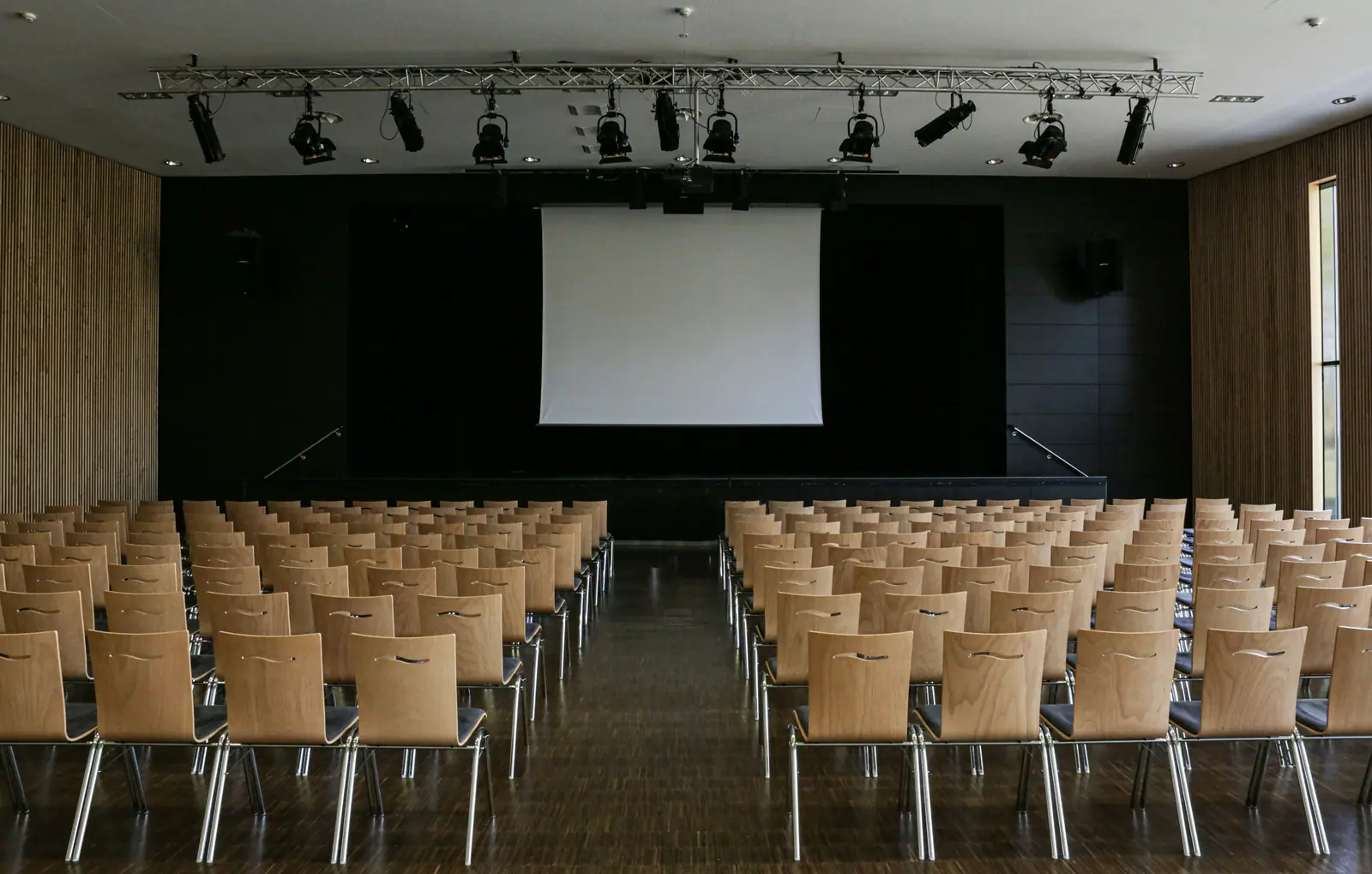
- Venue and space rental (15-20%)
- Food and beverages (Catering) (25-35%)
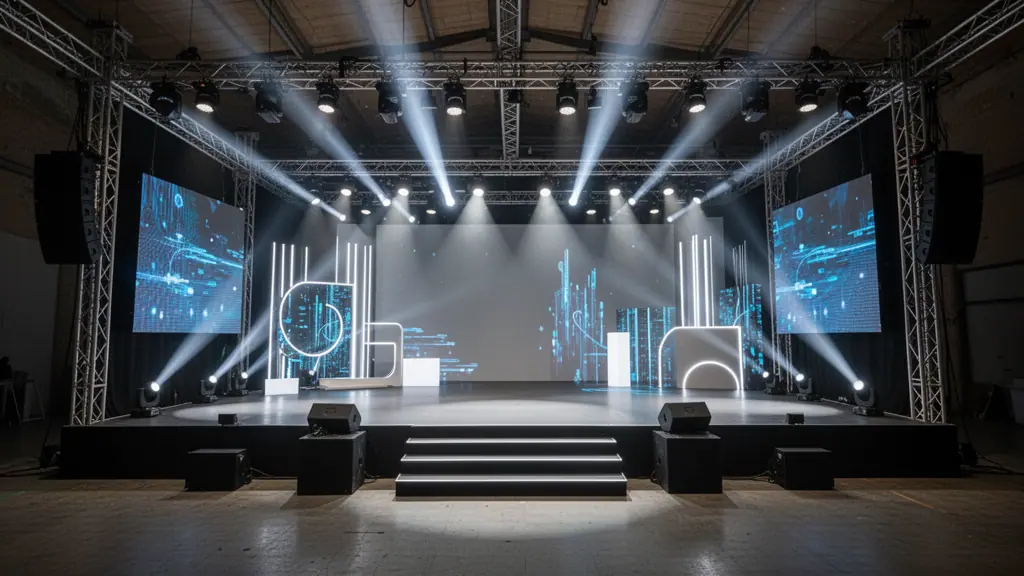
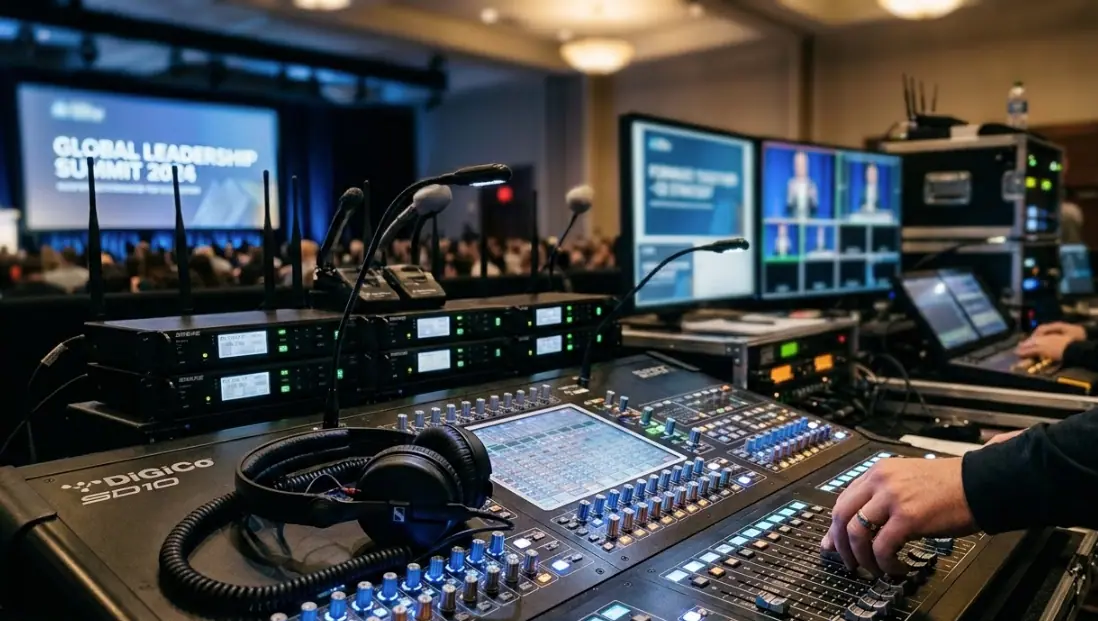
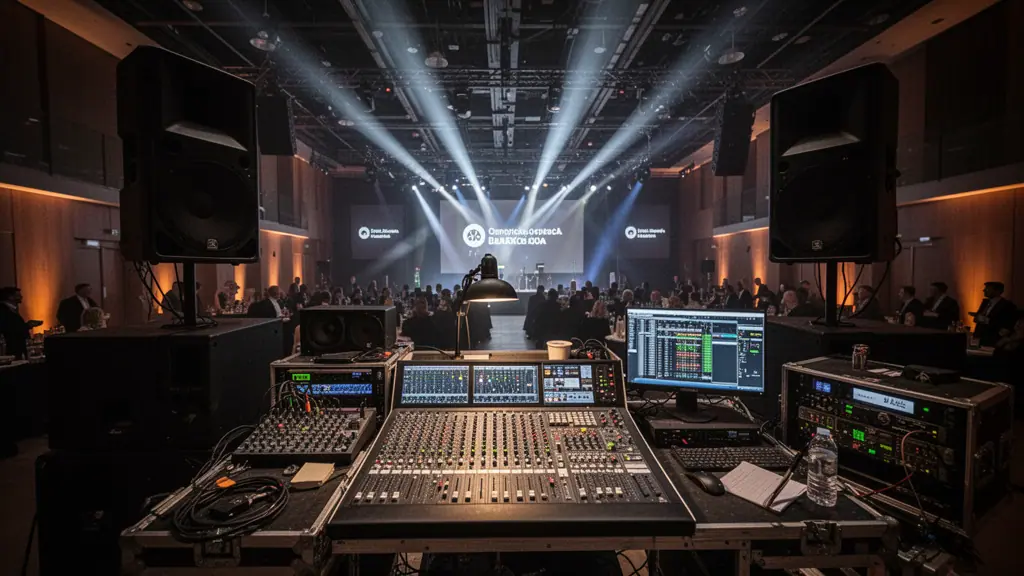
- Production and AV (Audiovisuals) (15-20%)
- Speakers and entertainment (10-15%)
- Marketing and promotion (10%)
- Staff and logistics (10%)
Common hidden costs
Don't forget to include: overtime for setup/breakdown, SGAE fees or copyright, liability insurance, tips, last-minute transport costs, and a contingency fund (we always recommend 10-15% of the total).
How to optimize costs
- Be flexible with dates (weekdays or low season are more economical).
- Negotiate closed packages with the venue.
- Use technology to reduce printing costs.
- Look for sponsors who provide value in kind (barter).
ROI: Return on investment
The budget is not an expense, it's an investment. Define clear KPIs before starting so you can measure the return: leads generated, closed sales, social media impact, or employee satisfaction.
Transparency and rigorous control are essential. Use spreadsheets or event management software to keep daily track of every committed and paid expense. A well-managed budget is the first step toward a stress-free event.